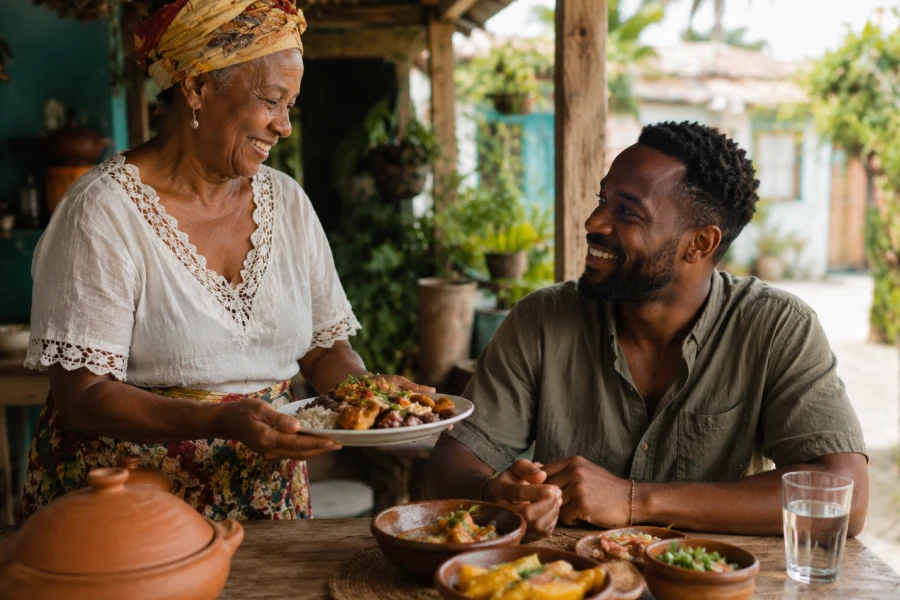
Authentic dining conversations help travelers move beyond the same crowded restaurant lists. They begin when you treat food questions as invitations to connect. A vendor can explain which snack locals buy after work. A taxi driver may know the café that makes the best morning stop. An artist might recommend a neighborhood dinner where regulars linger late. These exchanges bring nuance that rankings and maps cannot provide. They also make you more aware of the people shaping local food culture. The goal is not to uncover a secret that nobody else knows. It is to appreciate a place through someone else’s trusted perspective. That is how a meal becomes part of the story of your trip.
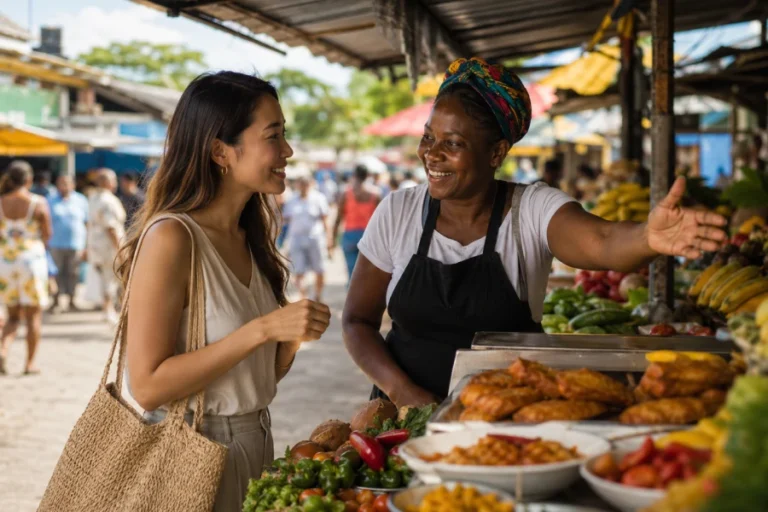
The easiest conversations usually start in places where food already matters. Markets, cafés, bakeries, and independent shops offer natural openings. Browse first and ask your question after showing genuine interest. Mention something you noticed rather than asking an abstract question immediately. You might ask which item locals choose when they want a treat. That specific framing feels easier to answer. It also gives the other person room to share a personal opinion. Exploring authentic meal planning and regional dish research can help you shape questions that are both simple and respectful. Your conversation then feels connected to the setting. That makes the interaction warmer from the beginning.
Trust grows when your request feels considerate and unhurried. Avoid treating someone’s recommendation like a demand for insider access. Instead, ask for one suggestion that they personally enjoy. Listen without interrupting when they explain why a place matters. Respond to their details with curiosity rather than immediate judgment. A warm thank-you is important, even if the answer does not fit your plans. You may also ask a practical follow-up about timing or location. Keep the exchange light enough that the person can end it comfortably. That respect creates a better experience for everyone. It can also encourage a more detailed recommendation. Thoughtful conversations often become more useful because they feel human first.
Language differences do not have to stop a good food conversation. A smile, a menu photo, and a few key words can communicate a lot. Translation apps are useful when they support rather than dominate the interaction. Practice your question before you approach someone. Keep sentences short and avoid slang that may not travel well. Pointing to a neighborhood on a map can add helpful context. A tool focused on translation support for travelers and tourist trap alternatives can make those exchanges less stressful. You are not trying to perform perfect language skills. You are trying to show sincere interest. That intention is often understood even when vocabulary is limited.
Recommendations often carry clues that matter as much as the address itself. Notice whether someone praises a particular dish, owner, or time of day. Listen for warnings about crowds, cash payments, or changing menus. Ask whether the place feels best for a quick stop or a long meal. These details help you use the recommendation well. They also show you what locals value about the experience. A restaurant may be beloved for its setting rather than its popularity. A market stall might be special because of one seasonal ingredient. By listening closely, you gain more than a place to eat. You gain a clearer sense of the destination’s daily life. That knowledge makes every meal feel more rooted.
You do not need to wait for a special occasion to ask for food advice. Build the habit into the first day of every trip. Ask your morning coffee server for a casual lunch idea. Speak with a bookseller about a favorite local dessert. Check with a guide or driver after an activity ends. These small moments create a living food map as you travel. Keep notes in your phone so useful recommendations do not disappear. Revisit the best suggestions when your plans allow. Over time, you will become more comfortable starting conversations anywhere. The process becomes a reliable way to discover places with personality. It also makes travel feel less scripted and more responsive.
Not every local recommendation will become your favorite meal. Sometimes the place will be closed, busy, or simply not your taste. That does not make the conversation a failure. You still learned something about the person and their neighborhood. You may have found a street worth exploring or another person to ask. Let the experience stay flexible. The point is to travel with attention and respectful curiosity. Great meals often appear when you are open to a small detour. Those detours become stories you remember long after the menu fades. Authentic food travel starts with the courage to ask a sincere question.



Leave a comment